
Applied Herpetology Special Issues
Conservation of Caribbean Island Herpetofaunas
Applied Herpetology is publishing special issues containing invited and submitted papers on Conservation of Caribbean Island Herpetofaunas from 2006. These issues are under the guest editorship of herpetologists at the three campuses of the University of the West Indies: Adrian Hailey (St. Augustine, Trinidad and Tobago), Byron Wilson (Mona, Jamaica), and Julia Horrocks (Cave Hill, Barbados). A current list of papers being considered, and opportunities for additional contributions, can be obtained from Adrian Hailey. This page gives details of papers published, in press, and submitted, and also gives condensed colour versions of figures where available (copyright authors): contact authors for high definition versions.
Conservation of Caribbean Island Herpetofaunas, Part 1. Appl. Herpetol. 3: 179. pdf title page
Wilson, B.S., Horrocks, J.A., Hailey, A. (2006): Conservation of insular herpetofaunas in the West Indies (Editorial). Appl. Herpetol. 3: 181-195. pdf
Henderson, R.W., Berg, C.S. (2006): The herpetofauna of Grenada and the Grenada Grenadines: Conservation concerns. Appl. Herpetol. 3: 197-213. colour figure
Platenberg, R.J., Boulon, R.H., Jr. (2006): Conservation status of reptiles and amphibians in the U.S. Virgin Islands. Appl. Herpetol. 3: 215-235. colour figures
Perry, G., Gerber, G.P. (2006): Conservation of amphibians and reptiles in the British Virgin Islands: Status and patterns. Appl. Herpetol. 3: 237-256.
Fort, D.J, Rogers, R.L., Buzzard, B.O, Anderson, G.D., Bacon, J.P. (2006): Deformities in cane toad (Bufo marinus) populations in Bermuda: Part III. Microcosm-based exposure pathway assessment. Appl. Herpetol. 3: 257-277.
Conservation of Caribbean Island Herpetofaunas, Part 2. Appl. Herpetol. 3: 279. pdf title page
Hedges, S.B. (2006): An overview of the evolution and conservation of West Indian amphibians and reptiles. Appl. Herpetol. 3: 281-292.
Powell, R. (2006): Conservation of the herpetofauna on the Dutch Windward Islands: St. Eustatius, Saba, and St. Maarten. Appl. Herpetol. 3: 293-306.
Buurt, G. van. (2006): Conservation of amphibians and reptiles in Aruba, Curaçao and Bonaire. Appl. Herpetol. 3: 307-321. colour figure
Bacon, J.P., Gray, J.A., Kitson, L. (2006): Status and conservation of the reptiles and amphibians of the Bermuda islands. Appl. Herpetol. 3: 323-344. colour figure
Tolson, P.J., Henderson, R.W. (2006): An overview of snake conservation in the West Indies. Appl. Herpetol. 3: 345-356.
Lee Lum, L. (2006): Assessment of incidental sea turtle catch in the artisanal gillnet fishery in Trinidad and Tobago, West Indies. Appl. Herpetol. 3: 357-368.
Book Reviews. Appl. Herpetol. 3: 369-375.
Conservation of Caribbean Island Herpetofaunas, Part 3. Appl. Herpetol. 4: 95. pdf title page
Daltry, J.C. (2007): An introduction to the herpetofauna of Antigua, Barbuda and Redonda, with some conservation recommendations. Appl. Herpetol. 4: 97-130. colour figures
Lorvelec, O., Pascal, M., Pavis, C., Feldmann, P. (2007): Amphibians and reptiles of the French West Indies: Inventory, threats and conservation. Appl. Herpetol. 4: 131-161. colour figure
Daudin, J., de Silva, M. (2007): An annotated checklist of the amphibians and terrestrial reptiles of the Grenadines with notes on their local natural history and conservation. Appl. Herpetol. 4: 163-175. colour figure
Malhotra, A., Thorpe, R., Hypolite, E., James, A. (2007): A report on the status of the herpetofauna of the Commonwealth of Dominica, West Indies. Appl. Herpetol. 4: 177-194.
Conservation of Caribbean Island Herpetofaunas, Part 4. Appl. Herpetol. 4: 293. pdf title page
Powell, R., Henderson, R.W. (2007): The St. Vincent (Lesser Antilles) herpetofauna: Conservation concerns. Appl. Herpetol. 4: 295-312. colour figure
Mallery, C.S., Jr., Marcum, M.A., Powell, R., Parmerlee, J.S., Jr., Henderson, R.W. (2007): Herpetofaunal communities on St. Vincent: A comparison of sites variously altered by human activity. Appl. Herpetol. 4: 313-325.
Joglar, R.L., Álvarez, A.O., Aide, T.M., Barber, D., Burrowes, P.A., García, M.A., León-Cardona, A., Longo, A.V., Pérez-Buitrago, N., Puente, A., Rios-López, N., Tolson, P.J. (2007): Efforts towards conservation of Puerto Rican herpetofauna. Appl. Herpetol. 4: 327-345.
Pérez-Buitrago, N., Sabat, A., Funk, S.M., García, M.A., Álvarez, A.O., McMillan, W.O. (2007): Spatial ecology of the Mona Island iguana Cyclura cornuta stejnegeri in an undisturbed environment. Appl. Herpetol. 4: 347-355.
García, M.A., Pérez-Buitrago, N., Álvarez, A.O., Tolson, P.J. (2007): Survival, dispersal and reproduction of headstarted Mona Island iguanas, Cyclura cornuta stejnegeri. Appl. Herpetol. 4: 357-363.
Pérez-Buitrago, N., Sabat, A. (2007): Dispersal, home range and habitat use of hatchlings of the Mona Island iguana (Cyclura cornuta stejnegeri). Appl. Herpetol. 4: 365-376.
Alemu, J.B. I, Cazabon, M.N.E., Dempewolf, L., Hailey, A., Lehtinen, R.M., Mannette, R.P., Naranjit, K.T., Roach, A.C.J. (2007): Ecological observations on the Critically Endangered Tobago endemic frog Mannophryne olmonae. Appl. Herpetol. 4: 377-386.
Invasive Species Distributions NotesPerry, G., Platenberg, R. (2007): Recent additions to the herpetofauna of Little St. James, US Virgin Islands. Appl. Herpetol. 4: 387-389.
Buurt, G. van. (2007): Breeding population of Osteopilus septentrionalis in Curaçao. Appl. Herpetol. 4: 390-391. colour figure
Book Review. Appl. Herpetol. 4: 393-394.
Conservation of Caribbean Island Herpetofaunas, Part 5. Appl. Herpetol. 6: 101. pdf title page
Powell, R., Incháustegui, S.J. (2009): Conservation of the herpetofauna of the Dominican Republic. Appl. Herpetol. 6: 103-122.
Breuil, M. (2009): The terrestrial herpetofauna of Martinique: Past, present, future. Appl. Herpetol. 6: 123-149. colour figures
Goodman, R.M., Knapp, C.R., Bradley, K.A., Gerber, G.P., Alberts, A.C. (2009): Review of radio transmitter attachment methods for West Indian rock iguanas (genus Cyclura). Appl. Herpetol. 6: 151-170. colour figures
Ackley, J.W., Muelleman, P.J., Carter, R.E., Henderson, R.W., Powell, R. (2009): A rapid assessment of herpetofaunal diversity in variously altered habitats on Dominica. Appl. Herpetol. 6: 171-184. colour figure
Perry, G. (2009): First record of the frog Eleutherodactylus lentus in the British Virgin Islands: Conservation implications of native or introduced status. Appl. Herpetol. 6: 185-187.
Invasive Species Distributions NotesLindsay, K., Mussington, J. (2009): Iguana iguana in Antigua and Barbuda, West Indies. Appl. Herpetol. 6: 189-190.
Perry, G. (2009): First record of Osteopilus septentrionalis on Guana Island, British Virgin Islands. Appl. Herpetol. 6: 191-192.
Jadin, R.C., Altamirano, M.A., Yánez-Muñoz, M.H., Smith, E.N. (2009): First record of the common house gecko (Hemidactylus frenatus) in Ecuador. Appl. Herpetol. 6: 193-195.
Farallo, V.R., Swanson, R.L., Hood, G.R., Troy, J.R., Forstner, M.R.J. (2009): New county records for the Mediterranean house gecko (Hemidactylus turcicus) in Central Texas, with comments on human-mediated dispersal. Appl. Herpetol. 6: 196-198.
Henderson, R.W., Berg, C.S. (2006): The herpetofauna of Grenada and the Grenada Grenadines: Conservation concerns. Appl. Herpetol. 3: 197-213.
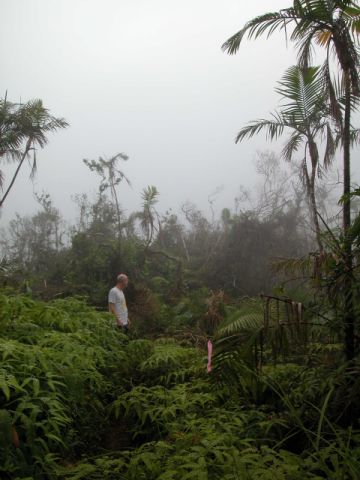
Figure 2. Eleutherodactlylus study site at the Cable & Wireless Station above Blaize at 690 m (February 2005).
Platenberg, R.J., Boulon, R.H., Jr. (2006): Conservation status of reptiles and amphibians in the U.S. Virgin Islands. Appl. Herpetol. 3: 215-235.
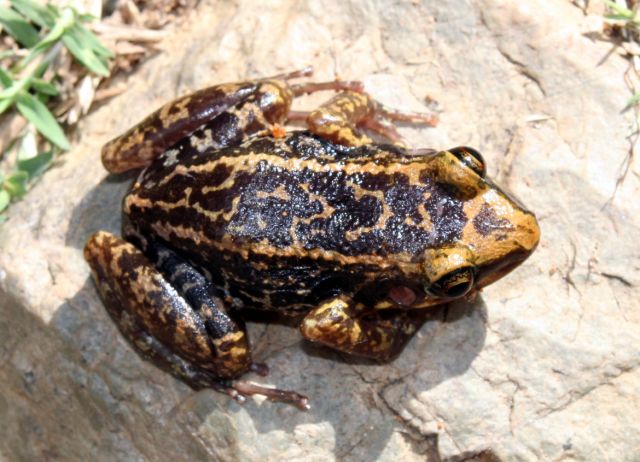
Figure 2. The endemic Eleutherodactylus lentus (mute frog) is common within many habitat types in the USVI. Photo by R.J.P.
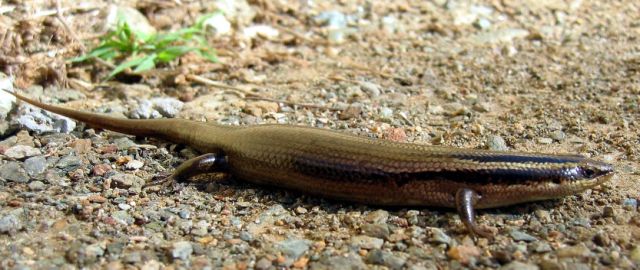
Figure 3. Mabuya sloanii (slipperyback skink) is now only found on the offshore islands, most likely due to negative influences of the introduced mongoose. Photo by R.J.P.
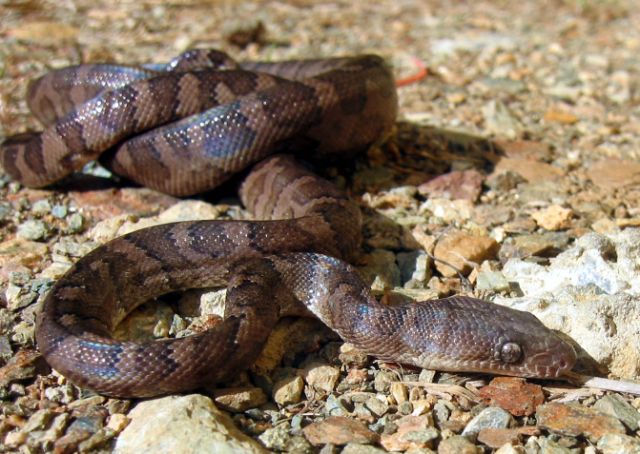
Figure 4. The U.S. Federally Endangered Epicrates monensis granti (Virgin Islands tree boa) is only found on the eastern end of St. Thomas, where habitat loss to development is occurring at unprecedented levels. Photo by R.J.P.
Buurt, G. van. (2006): Conservation of amphibians and reptiles in Aruba, Curaçao and Bonaire. Appl. Herpetol. 3: 307-321.
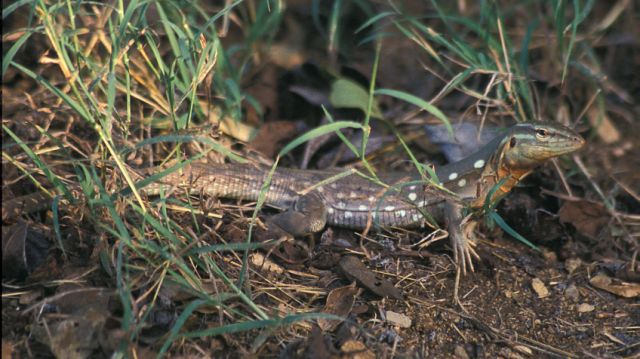
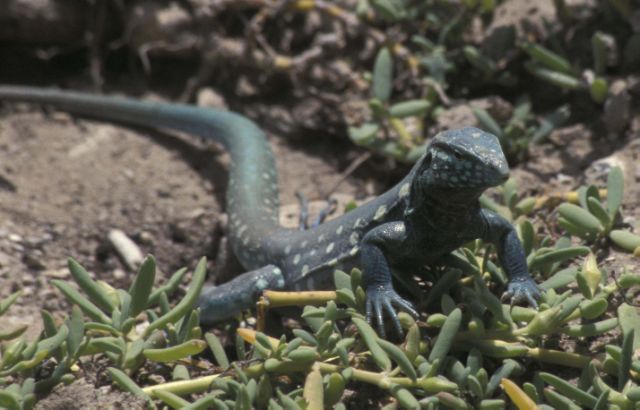
Figure 1. Left: young male Cnemidophorus murinus murinus from Curaçao - note the lines on the head. Right: male C. m. murinus from Klein Curaçao - note the dots on the head. These males also have a more bluish-grey colour.
Bacon, J.P., Gray, J.A., Kitson, L. (2006): Status and conservation of the reptiles and amphibians of the Bermuda islands. Appl. Herpetol. 3: 323-344.
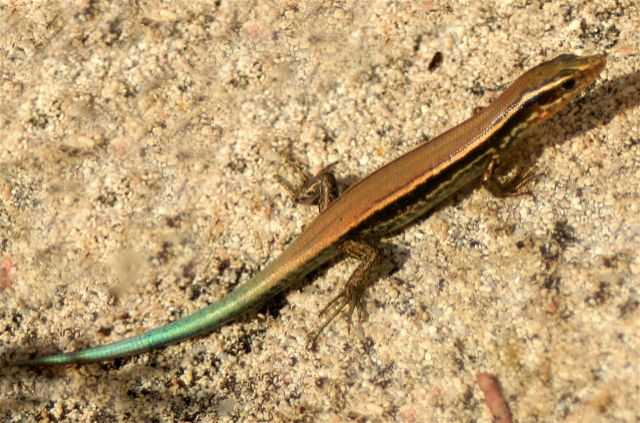
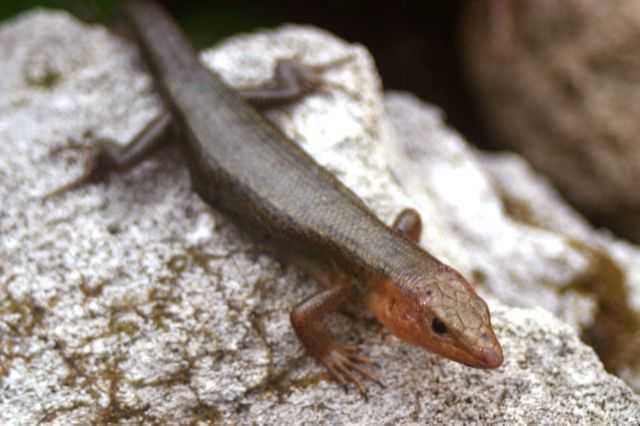
Figure 3. a) Juvenile (1 year old) Bermuda skink Eumeces longirostris. b) Adult (4 year old) Bermuda skink.
Daltry, J.C. (2007): An introduction to the herpetofauna of Antigua, Barbuda and Redonda, with some conservation recommendations. Appl. Herpetol. 4: 97-130.
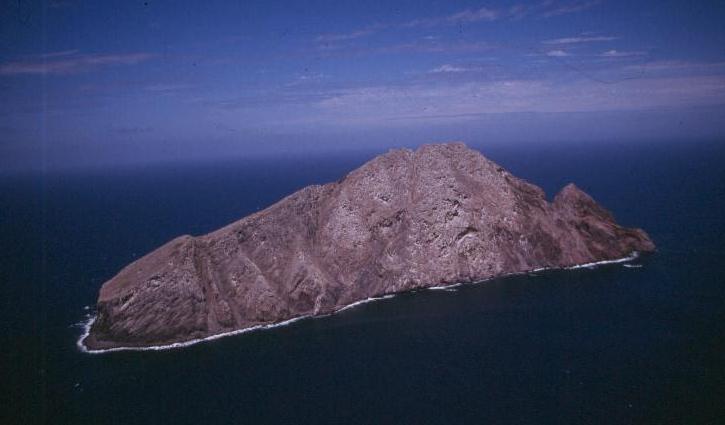
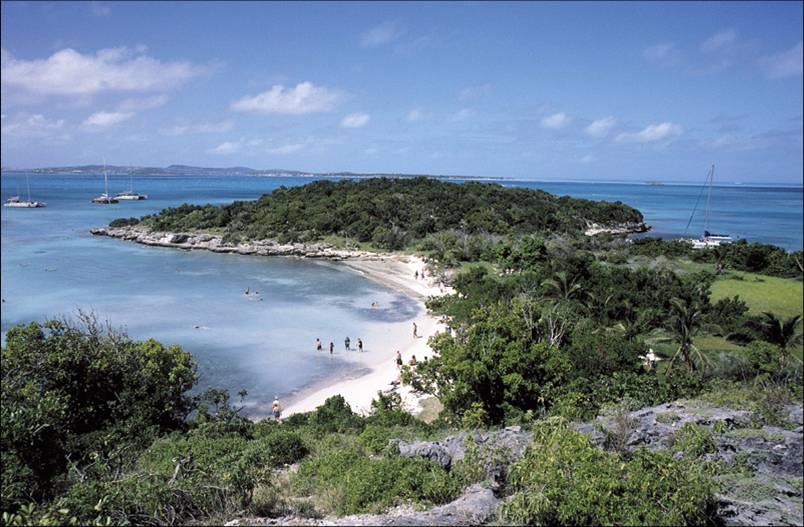
Figure 3. Important offshore habitats include (a) the uninhabited volcanic island of Redonda, located approximately 50 km west of Antigua (photo John Cacalosi), and (b) Great Bird Island, one of the last islets where the Antiguan racer occurs, but which is visited regularly by tourists.
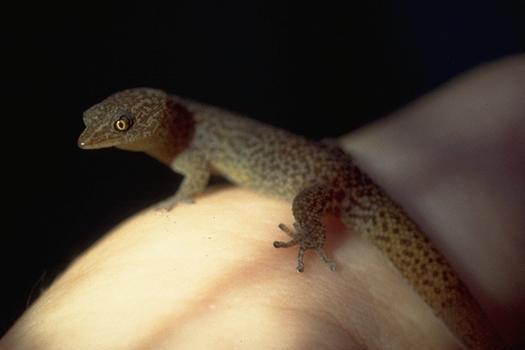
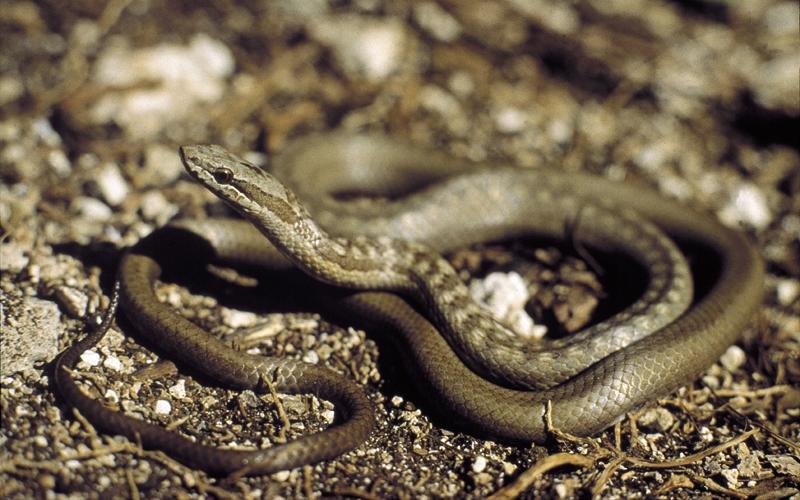
Figure 4. Two endemics (a) the dwarf gecko, Sphaerodactylus elegantulus and (b) the Antiguan racer, Alsophis antiguae.
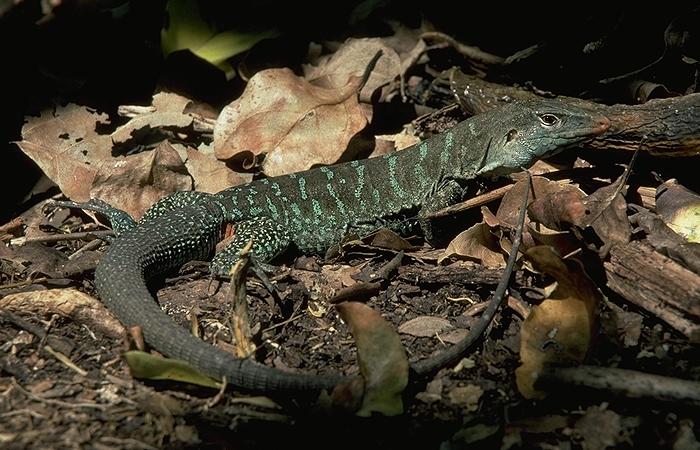
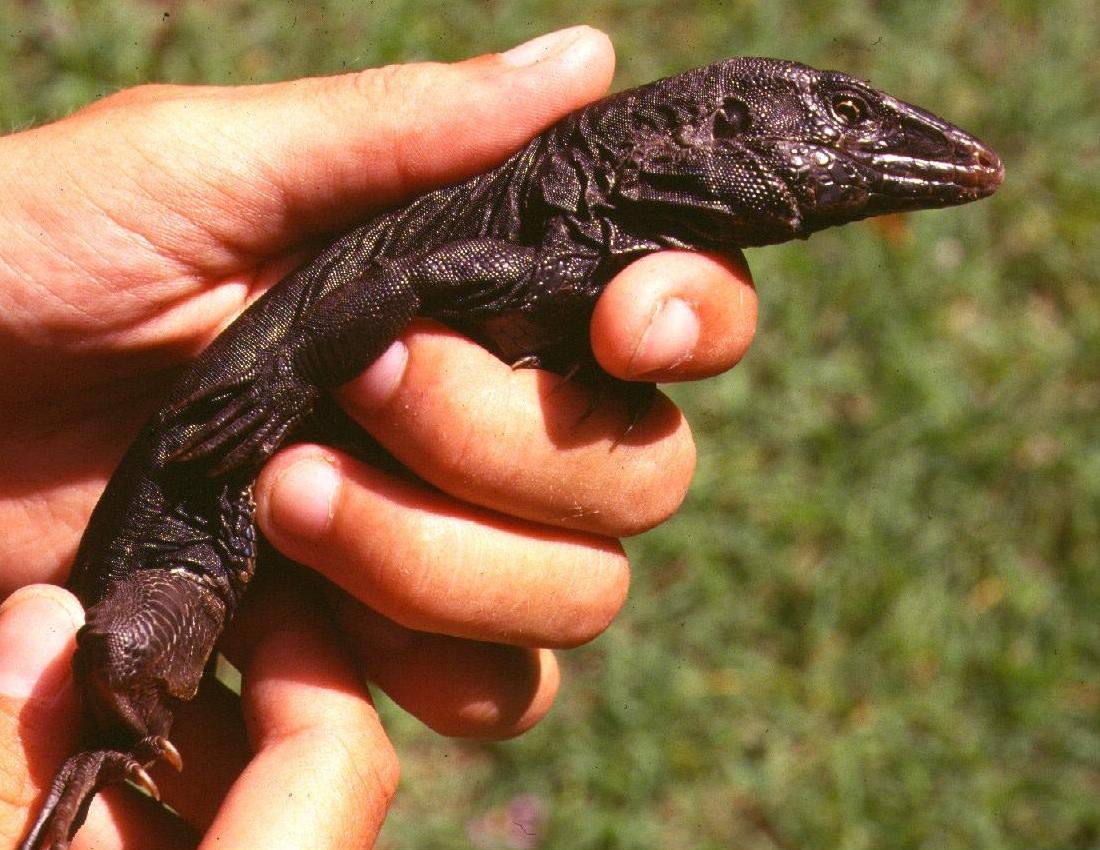
Figure 5. Two ground lizards (a) male Ameiva griswoldi and (b) Redonda ground lizard (Ameiva atrata).
Lorvelec, O., Pascal, M., Pavis, C., Feldmann, P. (2007): Amphibians and reptiles of the French West Indies: Inventory, threats and conservation. Appl. Herpetol. 4: 131-161.
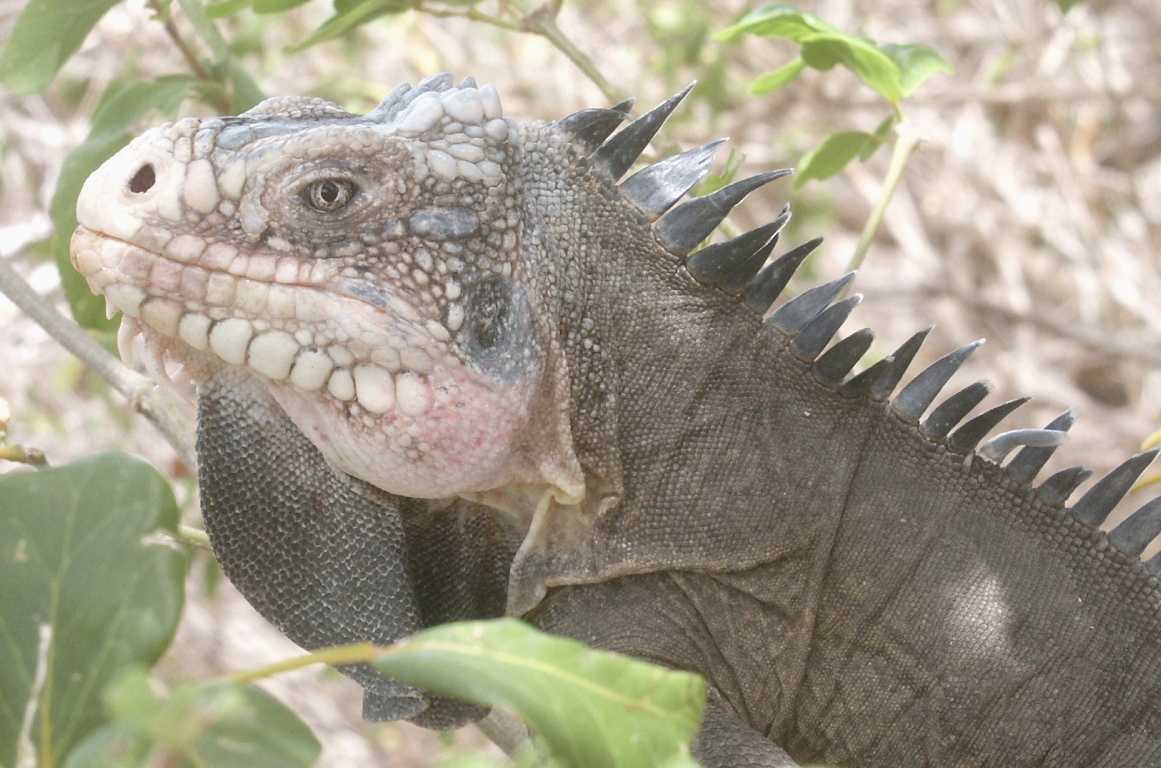
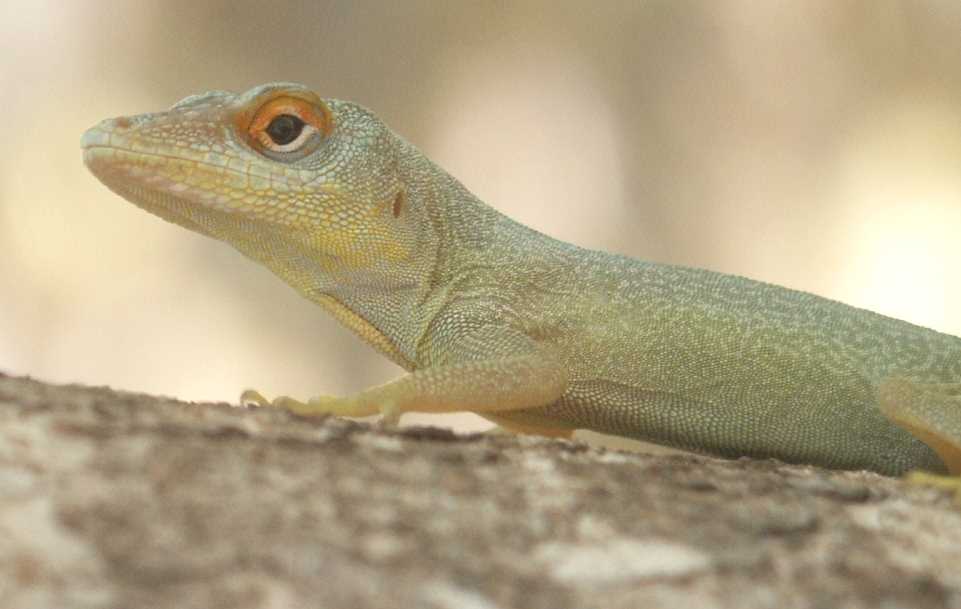
Figure 2. Two reptiles from Petite Terre, Guadeloupe which are rare or have restricted distribution: a) Iguana delicatissima; b) Anolis marmoratus chrysops, a subspecies endemic to Petite Terre.
Daudin, J., de Silva, M. (2007): An annotated checklist of the amphibians and terrestrial reptiles of the Grenadines with notes on their local natural history and conservation. Appl. Herpetol. 4: 163-175.
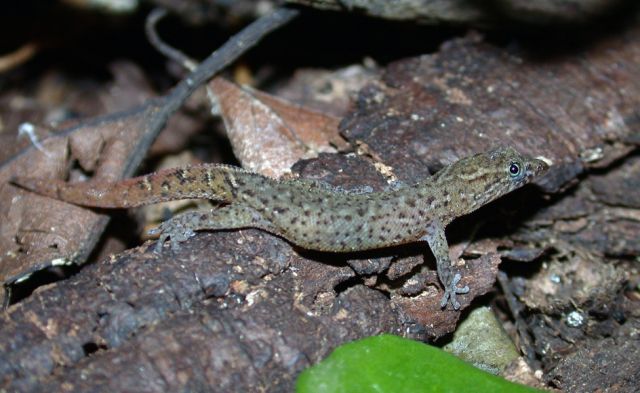
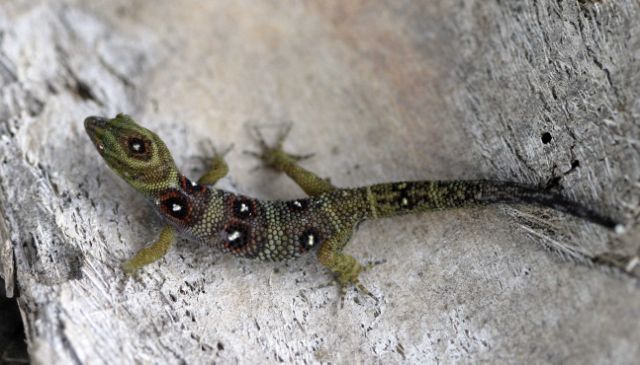
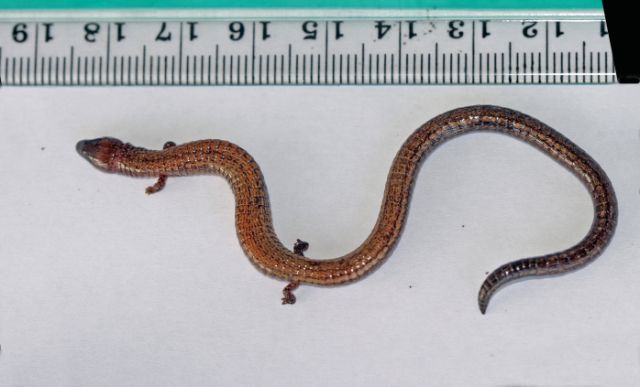
Figure 2. Some notable lizards of the Grenadines: a) Sphaerodactylus kirbyi, on Mayreau; b) Gonatodes daudini, on Union Island; c) Bachia heteropa alleni, on Mustique.
Powell, R., Henderson, R.W. (2007): The St. Vincent (Lesser Antilles) herpetofauna: Conservation concerns. Appl. Herpetol. 4: 295-312.
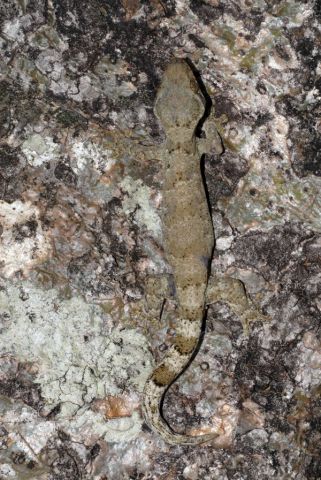
Figure 2. Assessments of abundance may be complicated by difficulties of finding individuals in certain microhabitats or by the effective crypsis of many species, such as this Thecadactylus rapicauda (photograph by R. Powell).
Buurt, G. van. (2007): Breeding population of Osteopilus septentrionalis in Curaçao. Appl. Herpetol. 4: 390-391.
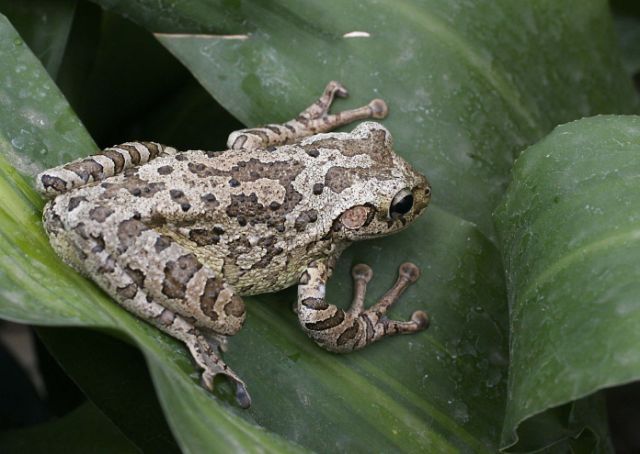
Figure 1. Cuban treefrog collected from a nursery on Curaçao.
Breuil, M. (2009): The terrestrial herpetofauna of Martinique: Past, present, future. Appl. Herpetol. 6: 123-149.
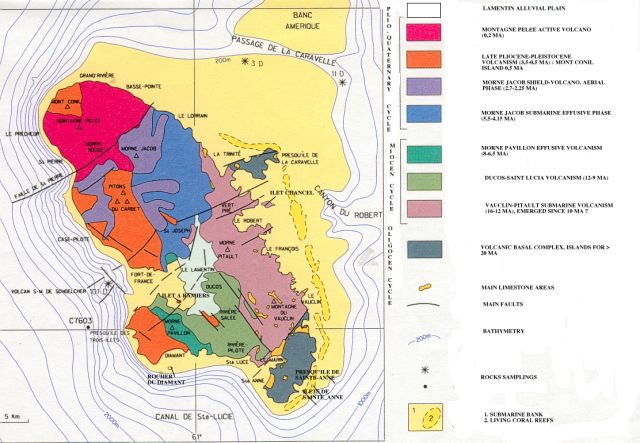
Figure 1. Geological map of Martinique (modified from Westercamp et al., 1989).
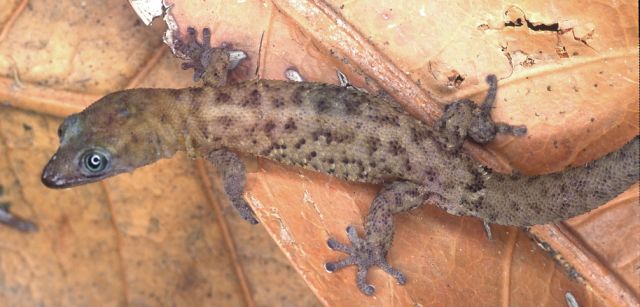
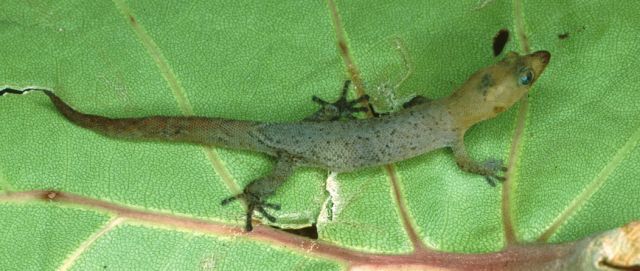
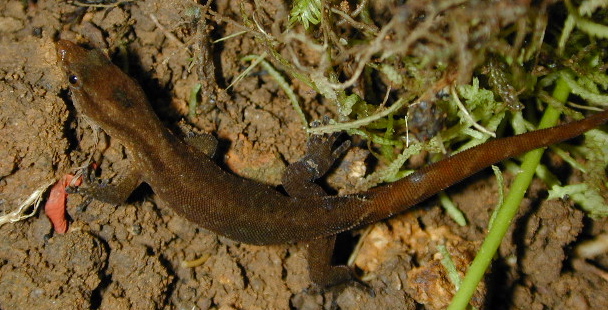
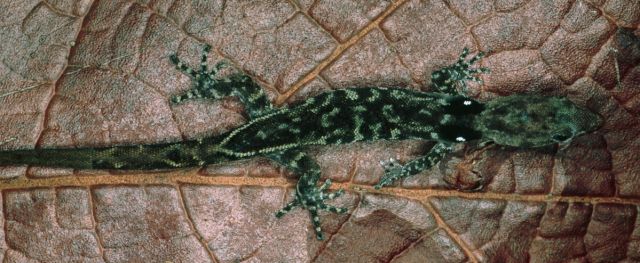
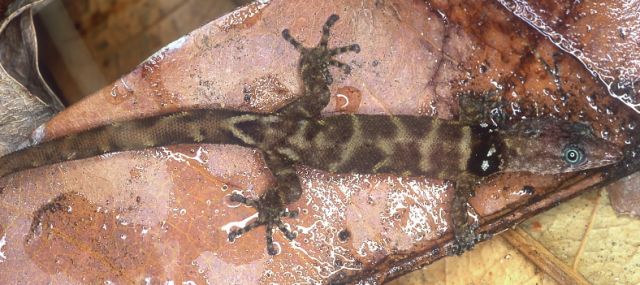
Figure 2. Sphaerodactylus vincenti from a) Rocher de Diamant; b) South Peninsula (Sainte-Anne); c) Montagne Pelée; d) Ajoupa Bouillon; e) Mont Conil.
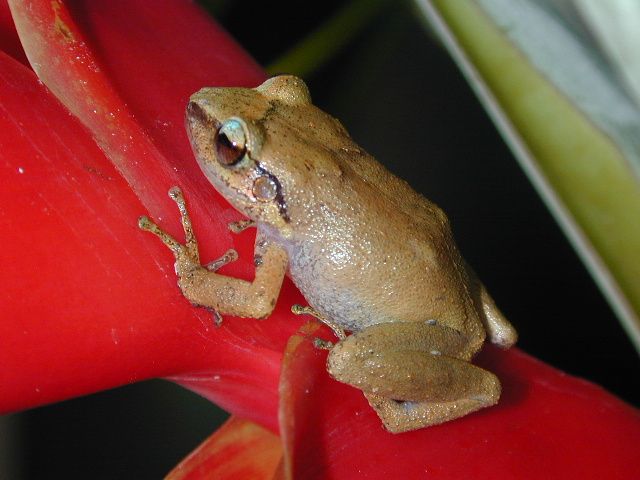
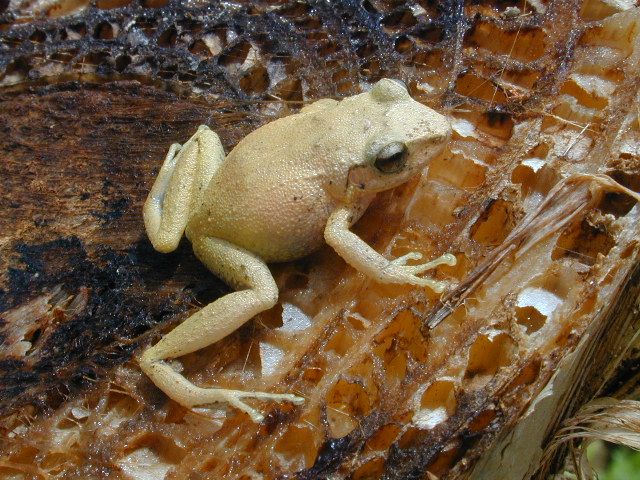
Figure 3. Eleutherodactylus martinicensis from a) Saint-Joseph (centre of Martinique) and b) from north-east Martinique.
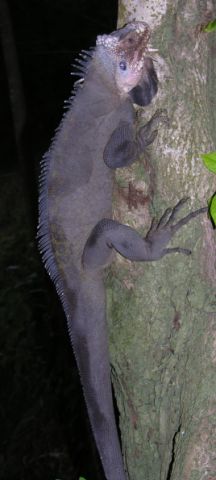
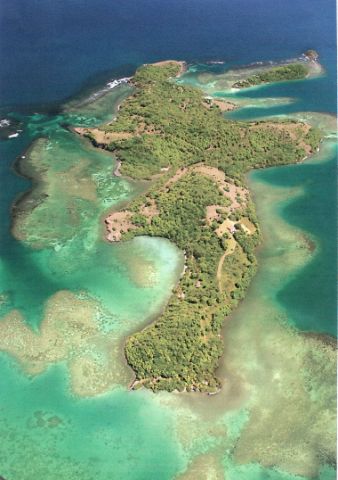
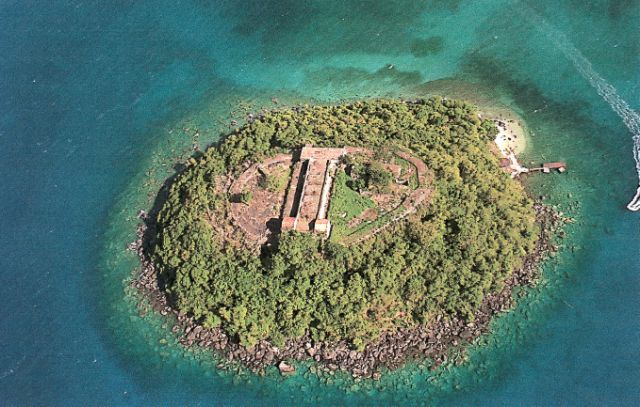
Figure 4. a) Iguana delicatissima, Anse Ceron, Martinique; b) Ilet Chancel, Baie du Robert, Martinique; c) Ilet à Ramiers, Baie de Fort-de-France, Martinique. (b, c: photo DIREN Martinique)
Goodman, R.M., Knapp, C.R., Bradley, K.A., Gerber, G.P., Alberts, A.C. (2009): Review of radio transmitter attachment methods for West Indian rock iguanas (genus Cyclura). Appl. Herpetol. 6: 151-170.
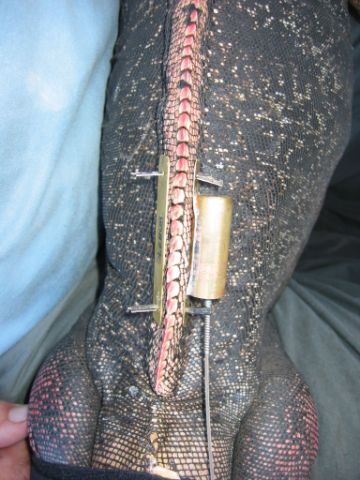
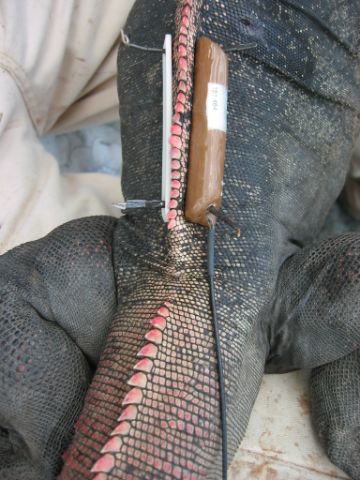
Figure 1. Radio transmitters attached to adult Cyclura c. cychlura by suturing through the dorsal crest and securing with a backing plate. a) This model uses a metal backing plate and may catch easily on vegetation or retreats due to the sharp angle between the cylinder and flat base. b) This model uses a PVC backing plate and has a shape less prone to catching. Photographs: Charles Knapp.
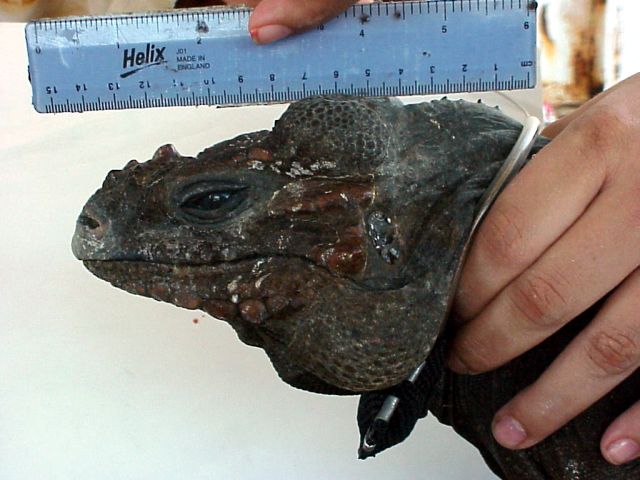
Figure 2. A radio-collar secures a transmitter to an adult Cyclura cornuta stejnegeri. Photograph: Nestor Pérez-Buitrago.
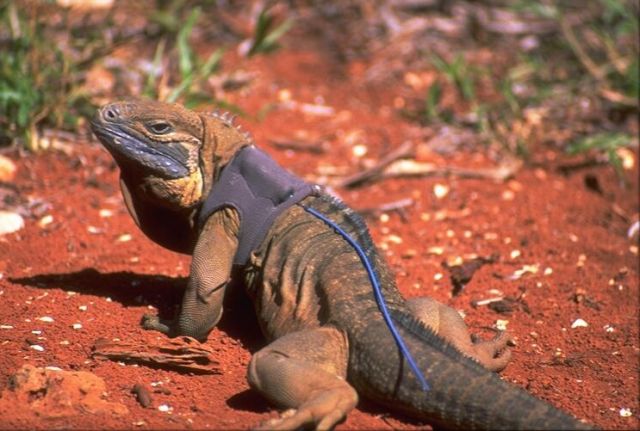
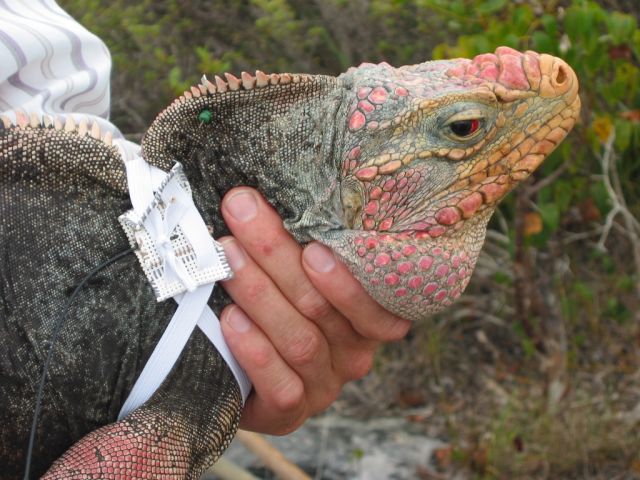
Figure 3. Pectoral vests secure radio transmitters to adult rock iguanas. a) A successful model of vest used on Cyclura collei was made of stretch Cordura and produced by the Nike Corporation. Photograph: Rick Hudson. b) A simpler and less successful model was used on Cyclura c. cychlura. Photograph: Charles Knapp.
Ackley, J.W., Muelleman, P.J., Carter, R.E., Henderson, R.W., Powell, R. (2009): A rapid assessment of herpetofaunal diversity in variously altered habitats on Dominica. Appl. Herpetol. 6: 171-184.
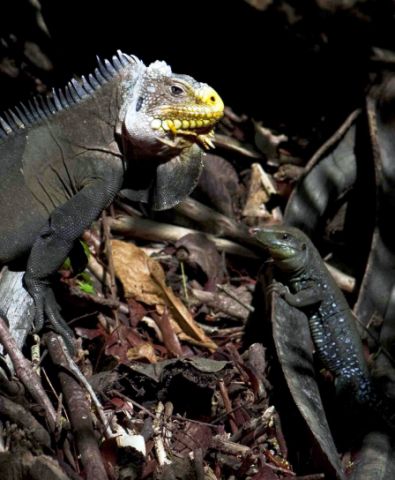
Figure 3. Different species of reptiles and amphibians typically were not observed in such close proximity. This Iguana delicatissima and Ameiva fuscata were found in an abandoned orchard with particularly dense canopy cover, where they appeared to be sharing one of a few patches of sunlight on the forest floor. This moderately disturbed site supported the highest species richness and the second highest encounter rate observed in sampled sites. Photograph by Jeffrey W. Ackley.